






“The best school environments don’t just support learning—they ignite imagination, nurture belonging, and empower every student to thrive.”

NBS Commercial Interiors
The "R" Multi-Use Complex
Rossford, OH
Client: Rossford Schools
Size: Rossford Schools
Completion: 2024
Architect: The Collaborative
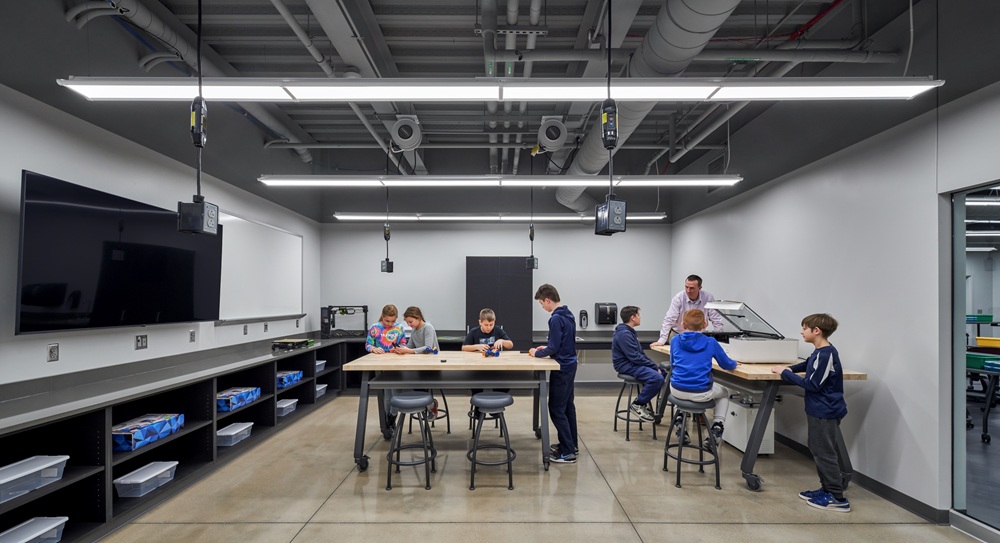
The "R" features expansive indoor sports facilities, including an indoor track, batting cages, esports, a tennis court, and two golf simulators. Students can also learn and create in STEM-focused multi-purpose rooms and makerspaces. The goal was to create a unique environment that all grade levels and activity interests could use, with student-centered design at the forefront. In addition to serving students, many of the health and wellness amenities can also be enjoyed by parents, staff, and community members after school hours.
Frost Barber of Louisiana
Baton Rouge Center for Visual & Performing Arts
Baton Rouge
Client: East Baton Rouge Parish Schools
Size: 80,000
Completion: 2025
Architect: Tipton Associates, RHH Architects
General Contractor: Ratcliff, VPG Construction
The Baton Rouge Center for Visual and Performing Arts is a nearly 80,000 sf building with capacity for 600 students across grades Pre-K through 5. BRCVPA is a beloved institution among East Baton Rouge Parish Schools.
The designs transform a dated, sprawling school campus into a vibrant, unified, two-story facility that sets a new standard for educational design in the region.
Conceived to address both growing enrollment and persistent traffic congestion, the project replaces multiple disconnected buildings with a single, highly efficient structure, while integrating a dedicated early childhood education center. This magnet program, part of East Baton Rouge Public Schools, offers an arts-integrated curriculum that places dance, music, visual arts, and performance at the heart of daily learning.

AmTab
Park View Elementary School
Tennessee
Client: Park View Elementary School
Size: 1500 Sq. Feet
Completion: 2024
The modernization of the Park View Elementary library has significantly improved the school's learning environment, creating a welcoming and engaging space specifically tailored to promote creativity, collaboration, and student success. Through this initiative, AmTab sought to elevate the library's overall ambiance, transforming it into a more appealing space for students to gather.

DLR Group
Early Excellence Academy
Tomball, Texas
Client: Tomball Independent School District
Size: 57,000
Completion: 2023
Architect: DLR Group
General Contractor: Division One Construction
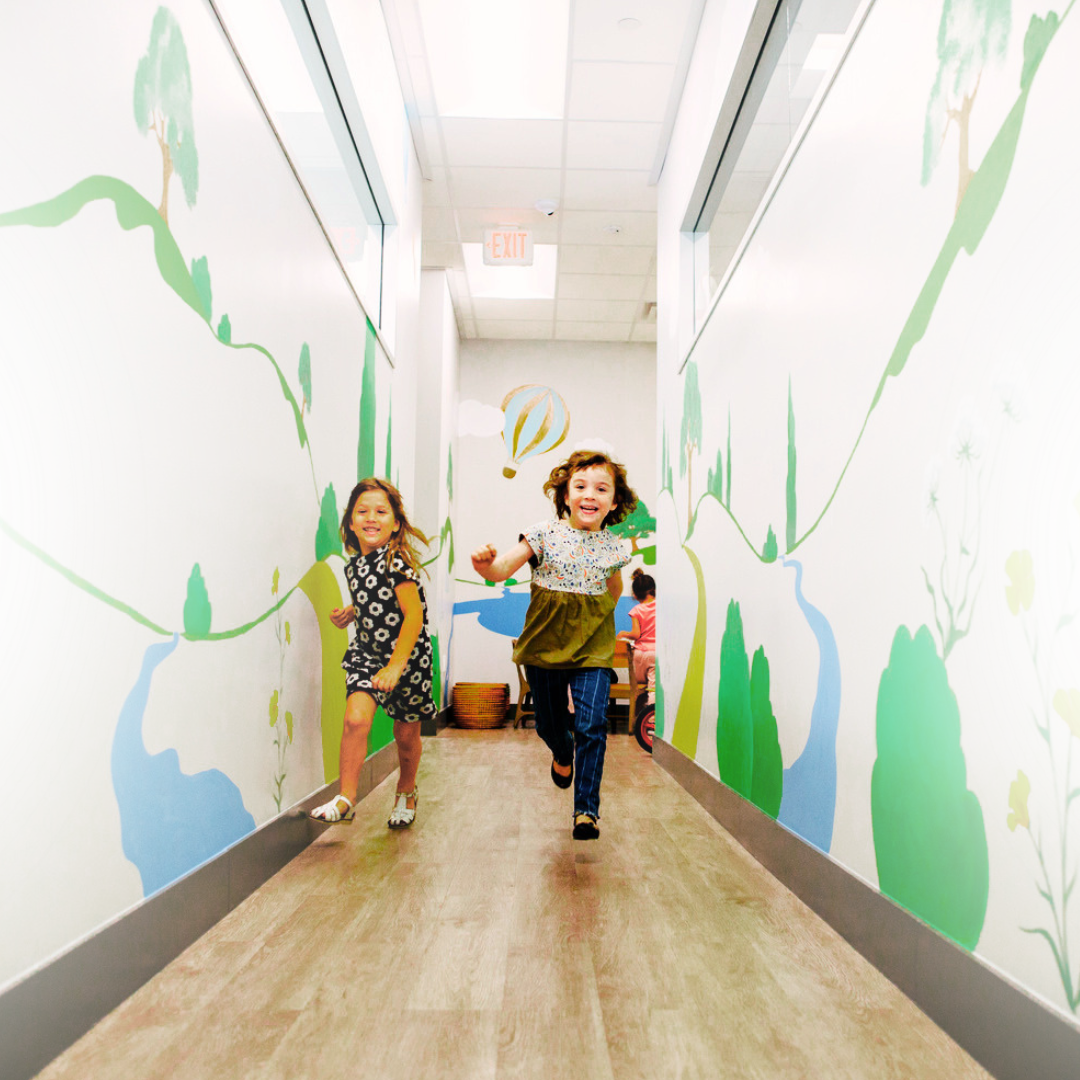
The feelings of a child experiencing each moment of life are robust and alive. It is this essence of whimsy and the joy of learning that is captured in the design of the new Early Excellence Academy, a learning environment to serve the earliest learners of Tomball ISD. DLR Group’s design is rooted in biophilic elements that evoke curiosity and connection to the natural world. With a design concept centered on scale and growth, an immersive experience takes the learner through the space. Careful consideration to create a physical environment that engages the user in their surroundings affords the learner and educator the opportunity to use the school as a tool for learning. This innovative environment inspires wonder and discovery through an educational journey that is founded in creative imagining. Research-based design strategies incorporated into each learning pod support the specific needs of early childhood learners.

 Patent # 29.807,164
Fleetwood
E! Seating


5 Shifts Transforming School Design
School design is evolving quickly, driven by a convergence of technology, flexibility, and human-centered priorities. From AI-powered learning tools and multi-use classrooms to smarter infrastructure, wellness-focused environments, and visible sustainability strategies, today’s schools are being rethought from the ground up. These five innovations highlight how districts, designers, and manufacturers are working together to create spaces that are more adaptable, connected, and responsive to how students and educators actually learn and teach.