Educational Environments Joliet Township High School Culinary Labs
Design Insight From Wight & Company
Culinary Education Designed for the Real World
Joliet Township High School District 204 is redefining career-connected learning through thoughtfully designed environments that prepare students for life beyond graduation. Structured around five Career Academies, the district offers students individualized Programs of Study aligned with real-world industries. Within the Academy of Business Management & Information Systems (BMIS), the Culinary Arts & Hospitality pathway exemplifies this approach—blending academics, technical skill development, and professional practice in spaces designed to mirror industry standards.
As part of a long-range facilities planning effort guided by Wight Insight: CTE – Pathways to Success, the district partnered with Wight & Company to reimagine culinary education across both high school campuses. The result is a unified vision delivered through two distinct yet connected projects: the renovation of the Culinary Arts Labs at Joliet Central High School and the addition of a new Culinary Arts wing at Joliet West High School. Though each campus responds to its unique context, both support a single goal—high-impact, immersive Career and Technical Education (CTE).
Two Campuses, One United Vision
At Joliet Central, the project focused on modernizing culinary spaces within a historic collegiate gothic building. The challenge—and opportunity—was to integrate contemporary teaching kitchens while preserving the school’s architectural character. Original materials such as wood trim, terrazzo floors, tile wainscots, and window details were carefully maintained and echoed, serving as visual anchors within the upgraded labs. The result is a learning environment that honors the past while equipping students with modern tools and technologies. At Joliet West, a new, purpose-built Culinary Arts wing was designed to support growing enrollment and evolving instructional needs. The addition reinforces program consistency across the district, ensuring students at both campuses have access to equitable, state-of-the-art learning environments that reflect the same curriculum, expectations, and outcomes.
Designed for Authentic Learning
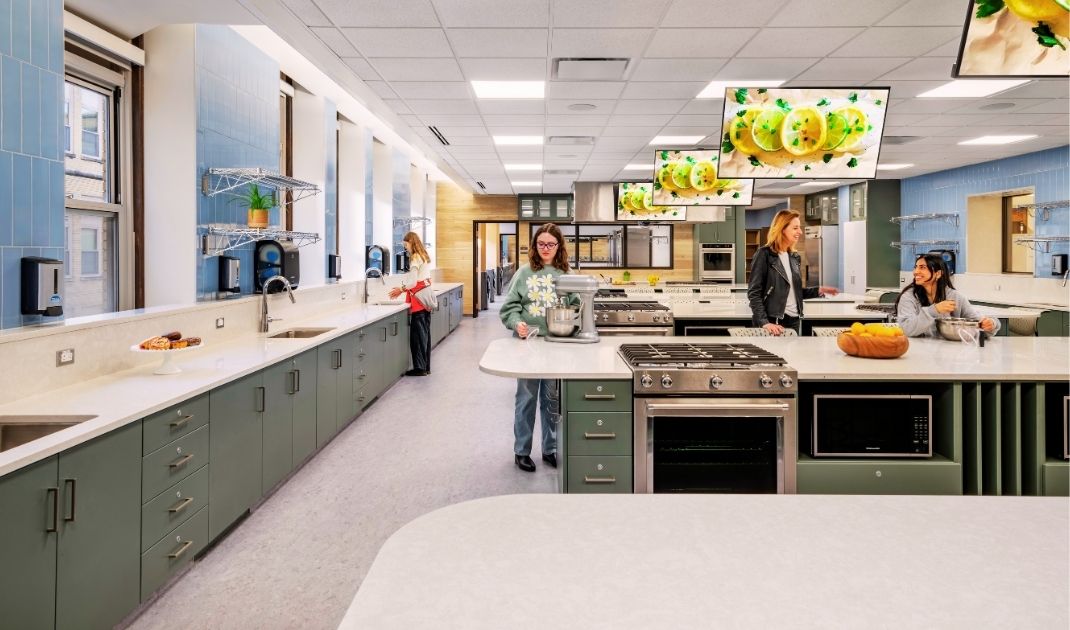
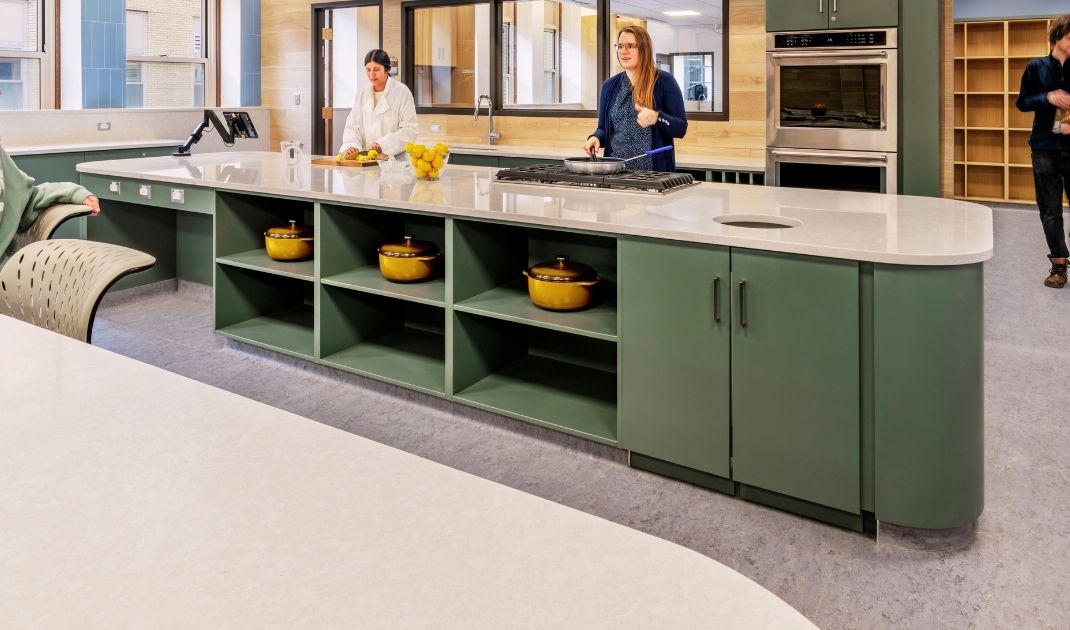
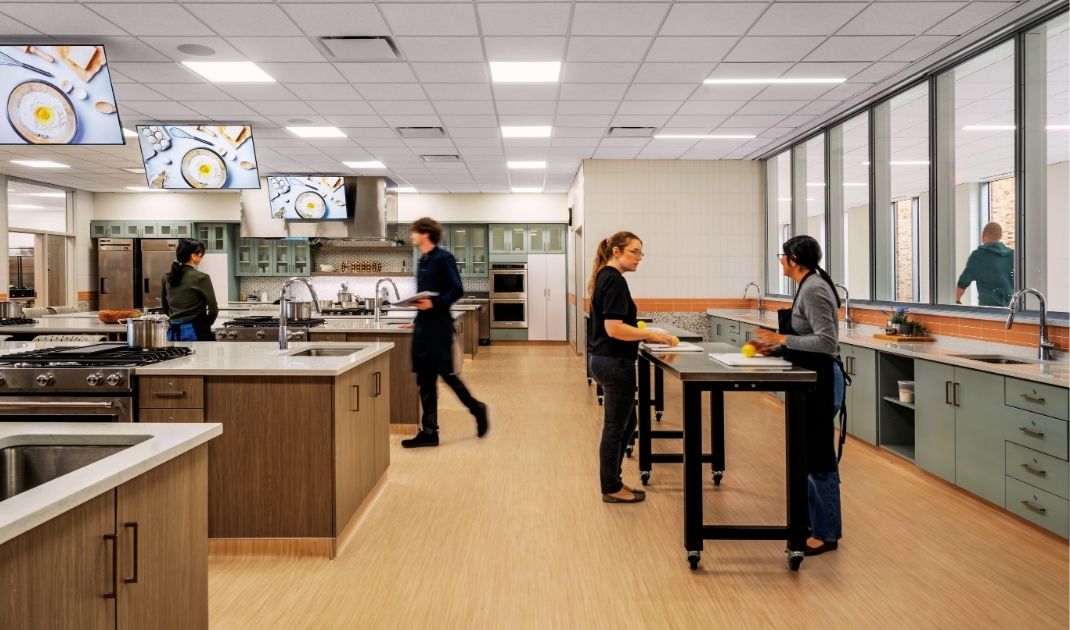
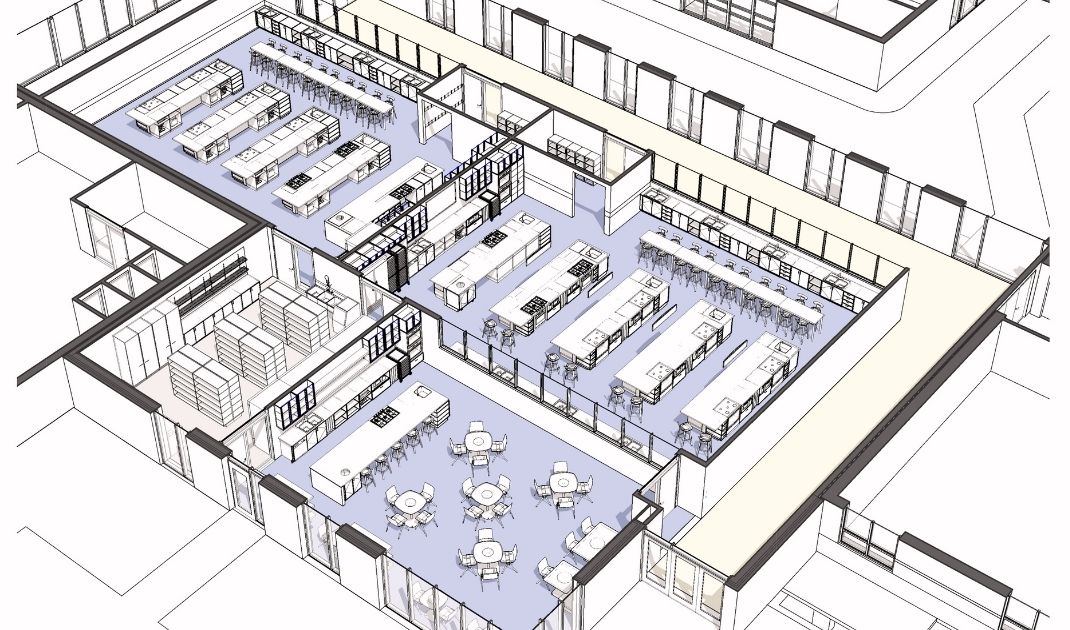
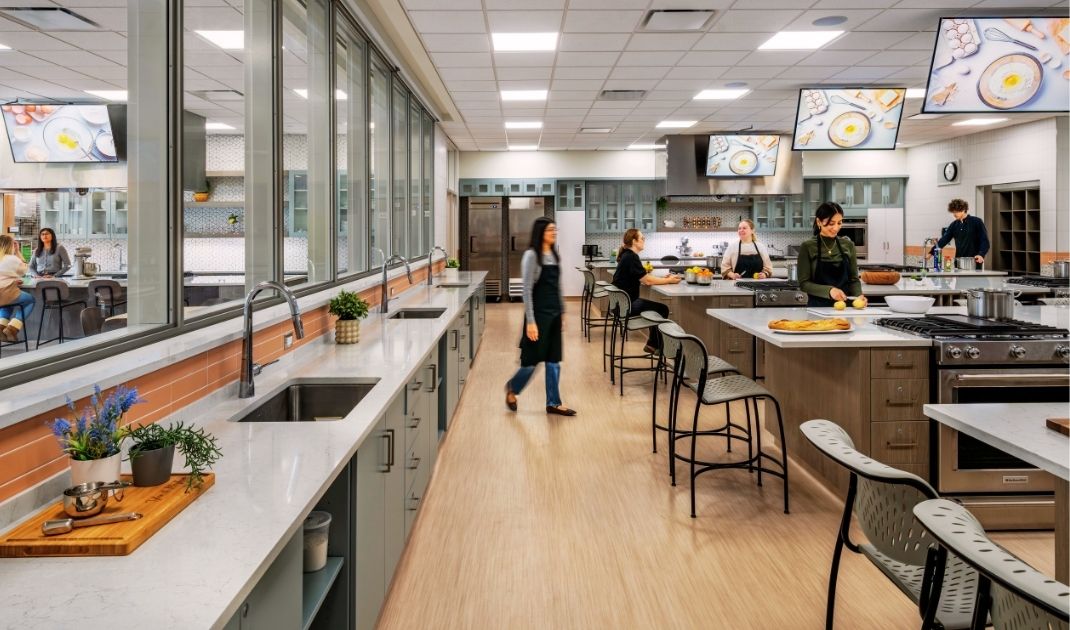
Across both campuses, Culinary Arts facilities were designed around professional standards and hands-on learning. Each lab supports up to 32 students, organized into eight student workstations and a teacher demonstration station, promoting collaboration, visibility, and effective instruction. Dedicated zones support a full range of curriculum—from kitchen management, nutrition, and professionalism to safety, sanitation, knife skills, cooking techniques, and baking and pastry arts.
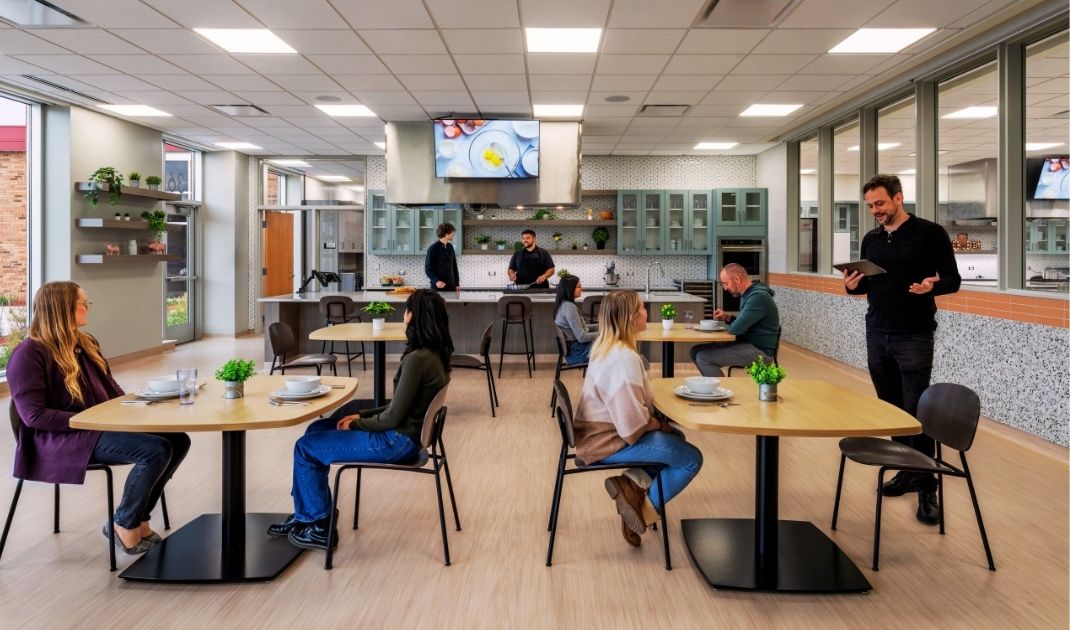
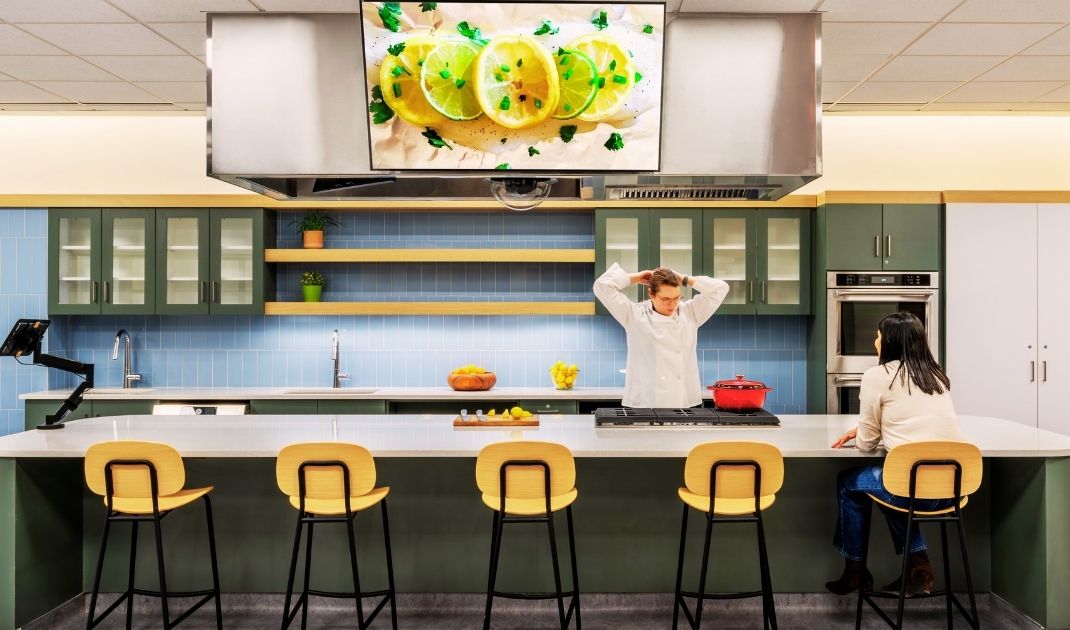
Behind the scenes, robust HVAC, plumbing, gas, electrical, and technology systems were seamlessly integrated. Premium residential-style equipment, modern exhaust hoods, and air circulation systems meet performance requirements while maintaining a clean, educational aesthetic. Demonstration cameras and display monitors ensure every student has a clear view, elevating engagement and instructional clarity. A flexible demonstration classroom further extends learning beyond the labs. Designed as a “made-for-TV” teaching kitchen, the space supports multiple classes during the day and transforms after hours into a venue for guest chef demonstrations, clubs, events, and hospitality-focused programming—strengthening connections between students, industry, and the community.
Learning on Display
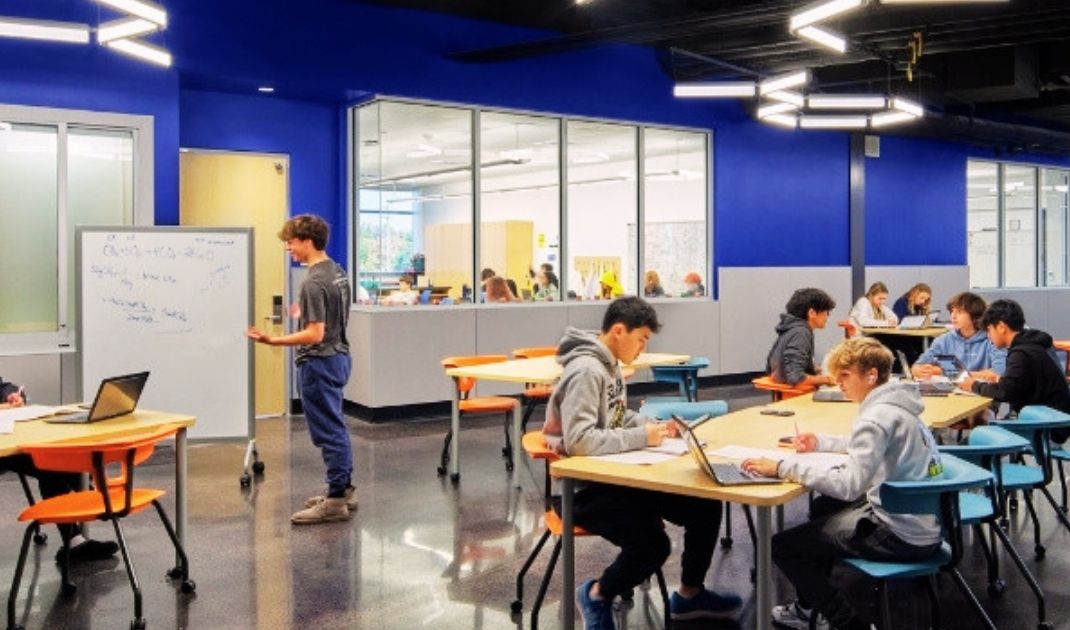
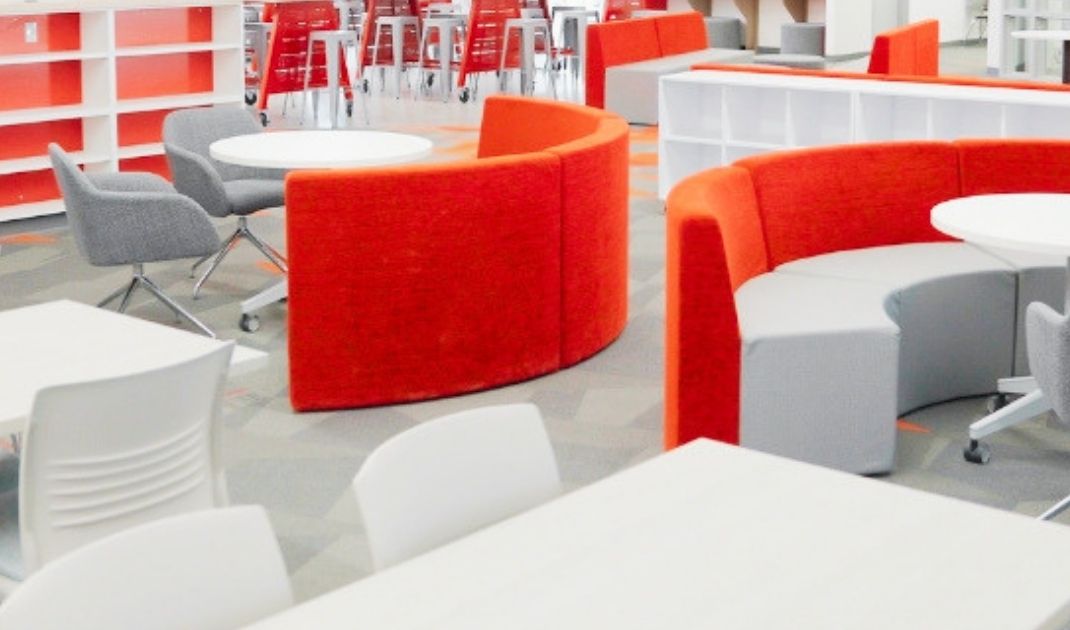
CTE design strategies emphasize visibility, strategic adjacencies, and clear sightlines. Centrally located student islands, perimeter utilities, and glazed openings into labs place learning on display—celebrating student work while sparking curiosity and awareness throughout the school. In collaboration with Educational Environments, the new spaces were outfitted with modern, bistro-style furniture that supports a wide range of activities and maximizes use of the space. These active, transparent environments reinforce a core belief of CTE: learning is most powerful when it is experiential, authentic, and visible.
A Platform for Future Success
Together, the Culinary Arts Labs at Joliet Central and Joliet West reflect Joliet Township’s commitment to career readiness, equity, and high-quality CTE learning. Through intentional design and industry-aligned spaces, students are empowered to see themselves not just as learners—but as future professionals ready to succeed.
Photographer Credit: Connor Steinkamp Photography